
Debt recovery in the UAE is the legal process of collecting money when a borrower fails to repay what they owe, based on evidence such as contracts, bank transfers, messages, or written acknowledgment of debt. It allows creditors to protect their financial rights through structured legal procedures that may include negotiation, court action, and enforcement measures when necessary.
So, can you sue someone in the UAE who borrowed money from you and refuses to pay? Yes, you can take legal action if you have sufficient proof of the debt. The UAE courts may issue a judgment requiring repayment, which can later be enforced if the debtor continues to avoid payment.
Can I take legal action against someone who owes me money in the UAE?
Yes, you can take legal action in the UAE if someone owes you money and refuses to pay, as long as you have evidence supporting the debt. UAE law allows creditors to file a civil case to recover unpaid amounts based on proof such as written agreements, bank transfers, invoices, emails, messages, or any acknowledgment from the debtor.
Before going to court, it is usually recommended to try resolving the matter amicably by contacting the debtor and sending a formal demand letter requesting repayment within a specific timeframe. This step helps demonstrate good faith and can strengthen your position if the case escalates.
If the debtor still refuses to pay, you can file a civil claim in the UAE courts. The court will review all submitted evidence and determine whether the debt is valid and enforceable. If the judgment is in your favor, it will legally require the debtor to repay the amount owed.
If payment is still not made after the judgment, enforcement procedures may be initiated, which can include asset attachment or bank account execution depending on the case. In more complex disputes, seeking legal advice or professional debt recovery assistance can help ensure proper handling of the process and improve recovery chances.
What should I do if I failed to repay a loan from a person and they added 70% interest after the due date?
If you borrowed money and missed the agreed repayment date, the first step is to review the original agreement carefully, especially whether any interest or late-payment terms were clearly written and mutually accepted. In many cases, adding a very high “interest” (such as 70%) after default without a prior written agreement may be legally questionable and potentially unenforceable depending on the jurisdiction and evidence available.
You should respond professionally, avoid informal promises, and try to renegotiate a realistic repayment plan based on what you can actually afford. Offer a structured payment schedule in writing and keep all communication documented. If the situation escalates or feels unfair or unclear, it may be helpful to consult a legal advisor or a debt management service such as Quick Action Debt Management Services, which can assist in reviewing your case, communicating with the creditor, and helping you structure a fair repayment or settlement plan.
Need Help Managing Your Debts Effectively?
Quick Action provides professional debt management solutions to help businesses and individuals organize, control, and reduce outstanding liabilities. Our structured approach focuses on improving financial stability, optimizing repayment plans, and ensuring better cash flow management.
Explore Debt Management ServicesWhat If There Was No Written Agreement?
You may still sue even if there was no written loan agreement, but you need other evidence. WhatsApp messages, bank transfers, emails, screenshots, witnesses, or any message where the borrower says “I will pay you back” can help prove that the money was a loan.
If the money was given in cash and there are no messages, no witnesses, no receipt, and no admission, the case becomes more difficult. In that situation, a lawyer may first send a demand notice to see whether the borrower responds in a way that confirms the debt.
Understanding the Debt Collection Policy in UAE is essential in such situations, as it clarifies how debt disputes are handled and how courts evaluate different types of evidence to establish and enforce repayment obligations, even in the absence of a written agreement.
What to Do If Someone Refuses to Pay Back a Loan in the UAE

If someone refuses to repay a loan in the UAE, the most important step is to rely on documented evidence and follow a structured legal approach rather than informal pressure or verbal disputes. The strength of your case will depend on proof such as bank transfers, written agreements, messages, emails, or any acknowledgment of the debt.
Start by communicating with the borrower in a formal and clear way, reminding them of the outstanding amount and requesting repayment within a specific timeframe. If they still do not respond or refuse to pay, you should issue a formal written demand letter. This step is important because it shows the court later that you attempted to resolve the matter amicably.
If the borrower continues to ignore payment obligations, you have the right to file a civil case in the UAE courts to claim the debt. The court will review all evidence and determine whether repayment is legally required. If you win the case, the court may issue a judgment ordering repayment, which can then be enforced through legal procedures such as asset attachment or bank account execution depending on the situation.
For larger or more complex disputes, it may be helpful to seek legal advice or professional debt recovery support to ensure proper handling of procedures and improve the chances of successful recovery.
Can You Take Legal Action for Unpaid Personal Loans in the UAE?
Yes, you can take legal action in the UAE if someone fails to repay a personal loan, as long as you have sufficient evidence proving the debt. UAE courts allow creditors to file a civil claim to recover unpaid amounts based on written agreements, bank transfer records, loan contracts, emails, messages, or any form of acknowledgment from the borrower.
The most important factor in such cases is proof. If there is a formal loan agreement, the case is usually straightforward. However, even informal loans can be enforced if there is clear evidence showing that money was given and repayment was agreed or expected.
Before initiating court action, it is recommended to send a formal demand for repayment and attempt an amicable settlement. If the borrower still refuses to pay, you can proceed by filing a civil case, where the court will evaluate the evidence and may issue a binding judgment requiring repayment of the loan.
Once a judgment is issued, it can be enforced through legal procedures such as asset seizure, bank account execution, or other enforcement measures depending on the case. In complex disputes, seeking legal advice or professional debt recovery assistance can help strengthen your case and improve recovery outcomes.
Read More: Unpaid Invoice Recovery in the UAE
How to Recover Money Lent to Someone in the UAE
Recovering money in the UAE requires proof of the debt and following the correct steps, starting from communication and formal demand to possible legal action if repayment is not made. The UAE legal system supports creditors through documented evidence such as transfers, agreements, and messages to help protect their financial rights and recover owed amounts.
Establish Strong Proof of the Debt
The most important step is to gather clear evidence of the loan. This may include bank transfers, written agreements, WhatsApp conversations, emails, or any acknowledgment from the borrower confirming the debt. In the UAE, documentation is essential, as courts rely heavily on written and digital proof rather than verbal agreements.
Communicate Clearly and Professionally
Before escalating the matter, try to contact the borrower in a calm and formal way. Remind them of the agreed repayment terms and request a clear timeline for settlement. Keeping communication professional helps protect your rights and avoids unnecessary conflict.
Send a Formal Demand Letter
If informal communication does not work, the next step is to issue a written demand letter. This should state the total amount owed, the original due date, and a final deadline for repayment. A formal notice strengthens your legal position if the case goes to court later.
Attempt Negotiation or Settlement
In many cases, borrowers may be facing financial difficulties. You can consider agreeing on a structured repayment plan or partial settlement. However, any agreement should always be documented in writing and signed by both parties to avoid future disputes.
Legal Action Through UAE Courts
If repayment is still not made, you have the right to file a civil case in the UAE courts. The court will review all evidence, including contracts, messages, and transfers, to determine whether the debt is valid and enforceable.
Enforcement After Judgment
If the court rules in your favor, a legal judgment will be issued requiring repayment. If the debtor still refuses to pay, enforcement actions may follow, such as asset attachment or bank account execution, depending on the case and available assets.
Seek Professional Support When Needed
For complex or high-value cases, it may be helpful to consult a legal advisor or debt recovery specialist. Professional support can improve your chances of recovery and ensure all legal procedures are followed correctly.
Read More: Full Recovery Through Strategic Negotiation
Your Legal Rights If Someone Owes You Money in the UAE
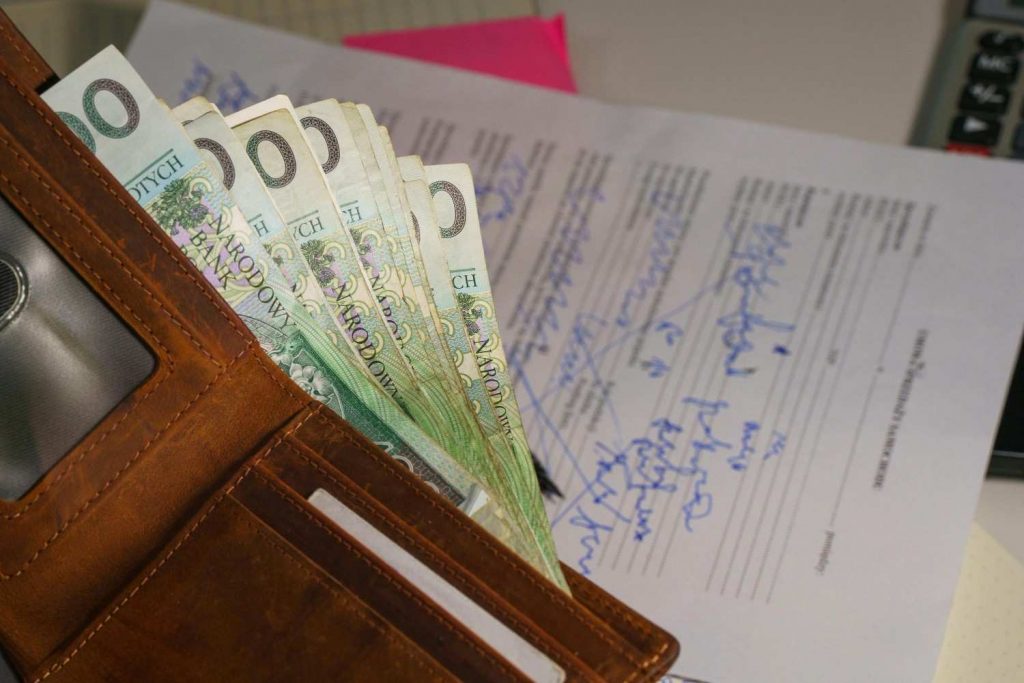
If someone owes you money in the UAE, you have clear legal rights to claim and recover your debt through official channels supported by the UAE legal system. These rights are based on proven evidence such as contracts, bank transfers, messages, or any acknowledgment of debt, and they allow you to take formal action if repayment is not made. Understanding your rights is essential to protect your financial interests and ensure that unpaid debts can be pursued through negotiation, court proceedings, or enforcement measures when necessary.
Right to Claim Proven Debt
You have the right to recover any money that can be proven through written agreements, bank transfers, or documented communication. Even informal agreements can be valid if supported by evidence.
Recognition of Digital Evidence
The UAE legal system accepts digital communication such as emails and WhatsApp messages as supporting evidence in debt disputes, depending on context and authenticity.
Right to File a Civil Case
You are legally entitled to take the matter to court to claim repayment. The court will assess all evidence and issue a binding judgment if the claim is valid.
Right to Enforcement of Judgment
If you win the case, you can request enforcement measures to recover the debt. These may include freezing accounts, seizing assets, or other legal procedures permitted by UAE law.
Right to Legal Assistance
You can hire a lawyer or debt recovery professional to represent you and manage the legal process, especially in complex disputes or large financial claims.
Importance of Acting Early
Delaying action may weaken your case, especially if evidence is lost or communication becomes unclear. Acting early helps protect your financial rights and improves recovery chances.
Quick Action Debt Recovery Support for Loan Disputes in the UAE
Quick Action provides professional debt recovery support for individuals dealing with unpaid personal loans or borrowers who refuse to repay money in the UAE. When informal communication fails, handling the situation correctly becomes essential to protect your financial rights and avoid unnecessary delays.
The service assists in reviewing your case, organizing key evidence such as bank transfers, written agreements, and messages, and guiding you through the most effective recovery path whether through structured negotiation or formal legal action when required. Quick Action also helps you prepare clear demand communications and understand the strength of your claim before escalating the matter.
With a focus on clarity, documentation, and strategic action, Quick Action supports clients in turning unpaid loan disputes into structured recovery processes, improving the chances of successful repayment while ensuring every step aligns with UAE legal procedures.
Conclusion
If someone borrowed money from you in the UAE and fails to repay it, you may be able to take legal action to recover the debt. Keeping clear evidence and seeking legal advice can help strengthen your case and improve the chances of a successful recovery.
Frequently Asked Questions
What is the legal law against personal money borrowed in UAE?
Personal borrowed money is usually treated as a civil debt claim under UAE civil law principles and civil procedure rules. The lender must prove the debt, the repayment obligation, and the borrower’s failure to pay.
How do I get money back from a scammer in the UAE?
If the person took money through deception, fake investment promises, false identity, or fraud, you may report the matter to the police or relevant cybercrime channel. You may still need a civil claim to recover the money financially.
Is money lending illegal in the UAE?
Private lending is not automatically illegal, but unlicensed lending as a business and unlawful interest arrangements can create legal risk. If you lent money personally, focus on recovering the principal unless a lawyer confirms that additional amounts are legally recoverable.
Can WhatsApp messages prove someone owes me money?
Yes, WhatsApp messages can help prove a debt if they clearly show the borrower admitted receiving the money and promised repayment. They are stronger when supported by bank transfers, emails, IOUs, or witness evidence.
What if I gave the money in cash?
Cash loans are harder to prove, but not impossible. You will need supporting evidence such as messages, witnesses, receipts, acknowledgments, or later admissions from the borrower.
Can I sue without a written agreement?
Yes, you may sue without a written agreement if you have other evidence proving the loan. However, a written agreement or signed acknowledgment makes the case much stronger.
Can I file a police case for borrowed money?
You may file a police complaint if there is evidence of fraud, breach of trust, forgery, or deception. If the issue is only non-payment of a loan, the matter is usually handled as a civil claim.
What if the borrower gave me a cheque and it bounced?
A bounced cheque may give you a faster route because many dishonoured cheques can be treated as civil execution instruments under the updated UAE Commercial Transactions Law. Criminal elements may still exist in cases involving fraud, forgery, or intentional misconduct.
What if the borrower left the UAE?
You may still file or continue a claim if the UAE court has jurisdiction. Recovery depends on whether the borrower has assets in the UAE or whether a foreign enforcement route is practical.
Do I need a lawyer to sue someone for borrowed money?
You may be able to file some claims yourself, but a lawyer can help assess evidence, draft the demand notice, choose the right court, and handle enforcement. Legal support is especially useful if the amount is high, the borrower left the UAE, or the borrower denies the loan.
Can I recover legal fees and court fees?
The court may award certain recoverable costs depending on the judgment and court rules. However, you should not assume that every dirham spent on lawyers will be recovered.