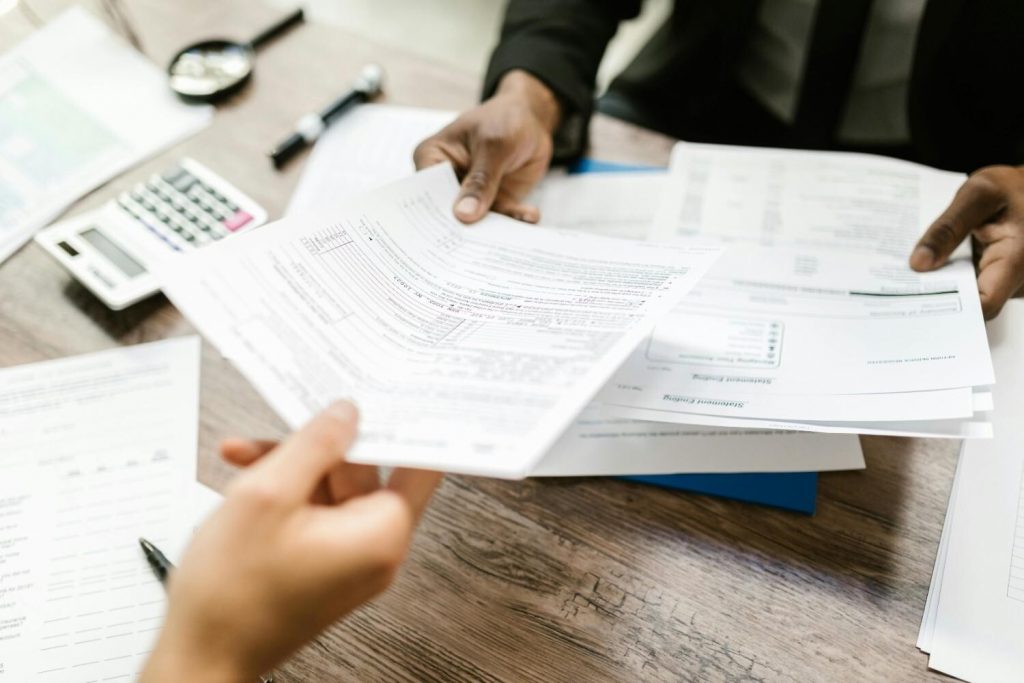
When a customer fails to pay an invoice in the UAE, start by confirming that the invoice is correct, due and supported by evidence. Send a written reminder, call the customer to identify any problem, set a firm payment deadline and preserve every communication. If the customer continues to ignore the debt or breaks payment promises, consider professional collection or legal review.
Acting early is important, but escalation should remain proportionate. A genuine administrative error requires a different response from an undisputed invoice that the customer repeatedly promises but fails to pay.
This guide explains how unpaid invoice recovery works in the UAE, what documents to prepare and when to move from internal follow-up to professional or legal recovery.
What to Do When an Invoice Is Unpaid
Use this initial checklist:
- Confirm the payment deadline has passed.
- Check that the invoice was sent to the correct person.
- Verify the customer’s legal name and contact details.
- Review the contract, purchase order and payment terms.
- Confirm that the goods or services were accepted.
- Check whether the customer raised a genuine dispute.
- Send the invoice and statement of account again.
- Ask for a specific payment date.
- Document every promise and response.
- Escalate if the agreed date passes without payment.
Do not continue sending the same generic reminder. Each follow-up should move the account toward payment, a documented dispute or a clear escalation decision.
Why Has the Customer Not Paid?
Before beginning formal unpaid invoice collection, identify the cause.
Administrative delay
The invoice may have:
- Been sent to the wrong department
- Omitted a purchase-order number
- Used incorrect company details
- Missed a required supporting document
- Failed the customer’s internal approval process
Correct the issue and ask the customer to confirm the revised payment date.
Cash-flow problems
The customer may recognise the debt but lack immediate liquidity. Ask for:
- An immediate partial payment
- A written instalment schedule
- Specific payment dates
- Confirmation of the remaining balance
- Consequences if the schedule is missed
Genuine commercial dispute
The customer may dispute quality, scope, delivery, pricing or completion. Request a written explanation with evidence. A disputed invoice should be investigated rather than chased as though liability were already agreed.
Deliberate payment avoidance
Warning signs include:
- Repeated promises without payment
- Constantly changing excuses
- Refusal to confirm the dispute in writing
- Unanswered calls and emails
- Requests for additional work while older invoices remain unpaid
- Sudden changes in company activity or contact details
- Offers of very small payments without a structured plan
These signs justify faster escalation.

Suggested Unpaid Invoice Recovery Timeline
The correct timing depends on the contract, relationship, amount and risk. The following is a practical credit-control framework rather than a mandatory legal schedule.
| Stage | Suggested action |
| Before due date | Confirm receipt and approval of the invoice |
| 1–3 days overdue | Send a polite written reminder |
| 4–7 days overdue | Call accounts payable and identify any issue |
| 8–14 days overdue | Send a firmer reminder with a fixed deadline |
| 15–30 days overdue | Escalate internally and request written commitment |
| 30–60 days overdue | Consider a final demand, settlement or collection support |
| High-risk at any age | Seek immediate professional or legal assessment |
Do not wait for a particular number of days if:
- The debtor appears insolvent
- The business is closing
- Assets may be moved
- The debt is high-value
- Limitation may become an issue
- The debtor has left the jurisdiction
- The debtor denies an obligation previously acknowledged
Is Your Invoice Becoming More Difficult to Recover?
Early intervention can improve your recovery options. Share the invoice age, amount and available documents for an initial assessment.
Recover Outstanding Debts Without Disrupting Your Business
Quick Action helps businesses recover unpaid invoices and overdue debts through document assessment, professional debtor communication, settlement negotiation and structured legal escalation when required.
Explore Our Debt Collection ServicesHow to Recover Unpaid Invoices in the UAE
1. Validate the invoice and debtor
Confirm:
- Correct creditor and debtor legal names
- Invoice number and date
- Amount and currency
- Contractual payment terms
- Due date
- Goods or services supplied
- Applicable tax details
- Previous payments or credits
- Contractual dispute procedure
Using a trading name instead of the correct legal entity can complicate recovery. Check the company’s licence, contract and purchase order carefully.
2. Assemble the evidence
Prepare one organised recovery file containing:
| Document | What it establishes |
| Contract or accepted quotation | Commercial relationship and terms |
| Purchase order | Customer’s request for supply |
| Invoice | Amount claimed and due date |
| Statement of account | Full account history |
| Delivery note | Delivery and receipt of goods |
| Completion certificate | Completion or acceptance of work |
| Timesheets or reports | Performance of services |
| Emails and messages | Instructions, approval or acknowledgement |
| Payment records | Partial payments and remaining balance |
| Reminder history | Attempts to resolve the account |
| Trade-licence information | Correct identity of the debtor |
Electronic communications may be relevant evidence under the UAE Law of Evidence, although admissibility and weight depend on the circumstances. UAE Law of Evidence
3. Send a polite payment reminder
The first reminder should be concise and non-accusatory. Include:
- Invoice number
- Original due date
- Amount outstanding
- Copy of the invoice
- Payment instructions
- Request for confirmation
- A contact for resolving discrepancies
The purpose is to remove administrative obstacles and obtain a definite response.
4. Call the customer
Speak with the person who can approve or release the payment.
Ask:
- Did you receive the invoice?
- Has it been approved?
- Is any document missing?
- Is any part disputed?
- What is the exact payment date?
- Can you confirm that date by email?
Follow the call with a written summary. A promise that is not documented is difficult to manage.
5. Send a firm follow-up
If the first deadline passes, send a firmer communication that:
- References previous reminders
- Restates the overdue amount
- Addresses any alleged dispute
- Requests payment by a specific date
- Asks for immediate written communication if payment cannot be made
- Explains that the account may be escalated
Avoid exaggerated threats. Mention only actions the business is genuinely prepared and legally entitled to consider.
6. Negotiate a payment plan where appropriate
A payment plan can produce a better commercial outcome than immediate proceedings when the debtor acknowledges the invoice but cannot pay in full.
The agreement should state:
- Total acknowledged amount
- Immediate initial payment
- Instalment amounts
- Exact due dates
- Payment method
- Treatment of any claimed charges
- Consequences of default
- Whether previous rights are preserved
- Whether the agreement is full and final
Have significant settlement agreements reviewed before signing.
7. Send a formal demand
A formal demand is appropriate when ordinary reminders fail.
It should identify:
- The creditor and debtor
- Basis of the debt
- Invoice numbers
- Amount claimed
- Payment history
- Final response deadline
- Method of payment
- Proposed next steps
- Contact details for resolving a genuine dispute
The form and timing of a notice may affect later legal options. Obtain UAE legal advice where court proceedings, arbitration or a payment order is being considered.
8. Instruct a collection agency
An unpaid invoice recovery agency can take over structured follow-up when:
- Your internal credit-control process has failed
- The customer ignores communications
- Promises are repeatedly broken
- The account consumes excessive staff time
- The customer is in another emirate or country
- You need an independent commercial approach
- You want to attempt amicable recovery before litigation
Before appointing an agency, confirm:
- Fees and any upfront charges
- Countries and sectors covered
- Whether it accepts a single invoice
- How settlements are approved
- Reporting frequency
- Who receives recovered funds
- What happens if amicable recovery fails
- How legal work is separated and authorised
Internal Payment Reminders Not Working?
Quick Action provides professional debt collection services for unpaid UAE and international invoices, including debtor communication, payment negotiation and settlement coordination.
Recover Outstanding Debts Without Disrupting Your Business
Quick Action helps businesses recover unpaid invoices and overdue debts through document assessment, professional debtor communication, settlement negotiation and structured legal escalation when required.
Explore Our Debt Collection Services9. Consider legal recovery
Legal action may be appropriate when:
- The evidence is strong
- The amount justifies the cost
- The debtor refuses to engage
- The invoice is undisputed but unpaid
- A formal payment promise has been broken
- The debtor is disposing of assets
- The dispute cannot be resolved commercially
- Contractual or statutory deadlines create urgency
Depending on the claim, options may include ordinary court proceedings, a qualifying payment-order procedure or arbitration under the contract.
The UAE Civil Procedure Code governs court procedures and enforcement, while the Commercial Transactions Law applies to many business transactions. UAE Civil Procedure Code and Commercial Transactions Law
Professional debt collectors do not issue judgments or seize assets themselves. Enforcement measures require the appropriate legal process.

Disputed Versus Undisputed Invoices
| Undisputed invoice | Disputed invoice |
| Customer accepts the amount | Customer challenges liability or amount |
| Focus on payment date | Focus on facts and supporting evidence |
| Payment plan may be suitable | Reconciliation or dispute resolution may be needed |
| Collection agency can apply structured pressure | Legal or technical review may be necessary |
| Broken promises increase collection risk | Continuing generic reminders may be counterproductive |
Ask the debtor to specify:
- Which invoice is disputed
- Which amount is disputed
- The contractual basis of the dispute
- What goods or services are challenged
- When the issue was first raised
- What resolution is proposed
If only part of an invoice is disputed, request payment of the undisputed portion.
Unpaid Invoice Reminder Template
Subject: Payment reminder – Invoice [number]
Dear [name],
Our records show that invoice [number] for [amount], due on [date], remains outstanding.
I have attached the invoice and statement for reference. Please confirm whether the invoice has been approved and advise the scheduled payment date.
If any information or supporting document is required, please let us know so we can resolve it promptly.
Kind regards,
[Name]
[Company]
[Contact details]
Final Payment Request Template
Subject: Final payment request – Invoice [number]
Dear [name],
Despite our previous reminders dated [dates], invoice [number] for [amount] remains unpaid.
Please arrange payment by [specific date] or provide a detailed written explanation of any dispute by the same deadline.
If we do not receive payment or a substantive response, we will review the account for external recovery or legal escalation in accordance with the agreement and applicable UAE procedures.
This communication is sent without prejudice to our contractual and legal rights.
Kind regards,
[Name]
[Company]
[Contact details]
Have a UAE lawyer review formal notices used for substantial or disputed claims.

Can You Recover an Invoice Without a Signed Contract?
Potentially, but the evidence becomes especially important.
Relevant material may include:
- Accepted quotations
- Purchase orders
- Emails approving the work
- Delivery records
- Completion certificates
- WhatsApp communications
- Previous payments
- Statements acknowledging the balance
- Evidence that the debtor used or benefited from the goods or services
An invoice alone may not conclusively prove every element of the claim. The creditor should be able to demonstrate the underlying transaction, performance and amount due.
Can You Charge Interest or Late-Payment Fees?
Interest and late-payment charges depend on:
- The contract
- Nature of the transaction
- Terms accepted by the debtor
- Applicable law
- Type of charge claimed
- Court or tribunal assessment
Do not add an arbitrary collection fee or late penalty merely because payment is overdue. Review the contract and obtain advice before including additional amounts in a formal claim.
International Unpaid Invoice Recovery
International invoice recovery requires an early jurisdiction assessment.
Check:
- Debtor’s legal name and country
- Location of assets
- Governing law
- Court jurisdiction clause
- Arbitration clause
- Currency and payment terms
- Whether the debt is disputed
- Recognition and enforcement options
- Translation and service requirements
- Likely collection costs
The best strategy is not always to file a case in the creditor’s home country. The practical value of a judgment depends on whether it can reach the debtor or its assets.
Quick Action supports international recovery through amicable collection and cross-border coordination. Formal proceedings should be assessed under the relevant jurisdiction’s law.
How Quick Action Supports Unpaid Invoice Recovery
Quick Action helps businesses pursue overdue invoices through a structured, documented recovery process.
Support may include:
- Initial case and document review
- Debtor verification
- Professional debtor contact
- Payment negotiation
- Written payment plans
- Settlement coordination
- Commercial recovery reporting
- International collection coordination
- Referral for legal review where required
The objective is to pursue payment professionally while protecting the creditor’s legal position and commercial reputation.
Recover Your Unpaid Invoices with Professional Support
Send us the outstanding amount, invoice age, debtor location and available supporting documents. Our team will assess the case and explain the appropriate recovery options
Recover Outstanding Debts Without Disrupting Your Business
Quick Action helps businesses recover unpaid invoices and overdue debts through document assessment, professional debtor communication, settlement negotiation and structured legal escalation when required.
Explore Our Debt Collection ServicesHow to Prevent Future Unpaid Invoices
- Verify the customer’s legal entity.
- Use a written contract.
- Define due dates and payment milestones.
- Request deposits where appropriate.
- Confirm who can approve work.
- Obtain signed delivery or completion records.
- Invoice immediately.
- Follow up before the due date.
- Monitor credit exposure.
- Pause additional credit when older invoices remain unpaid.
- Keep all approvals and changes in writing.
- Review high-risk customer accounts regularly.
This article provides general commercial information and does not constitute legal advice. Recovery options depend on the contract, evidence, jurisdiction and facts of each case.
Unpaid Invoice Recovery – FAQ
How do I recover an unpaid invoice in the UAE?
Confirm that the invoice is accurate and due, collect the supporting documents, send a written reminder, call the customer and request a specific payment date. If the customer does not pay, escalate through a final demand, professional collection or appropriate legal proceedings.
When should I follow up on an unpaid invoice?
Send the first follow-up shortly after the due date unless the contract or relationship requires a different schedule. Escalate sooner if the debtor is unresponsive, financially distressed, closing or moving assets.
Can unpaid invoices be recovered without legal action?
Yes. Many invoices are recovered through reminders, direct negotiation, structured payment plans or professional debt collection. Legal action is usually reserved for cases where amicable recovery fails or urgent protection is required.
Can a collection agency recover one unpaid invoice?
Many collection agencies accept individual commercial invoices, but minimum claim values, fees and documentation requirements vary. Confirm these conditions before appointing an agency.
What documents are needed for invoice debt recovery?
Important documents include the contract, purchase order, invoice, statement of account, delivery note, completion certificate, correspondence, payment history and any written acknowledgement or payment promise.
What if the customer disputes the invoice?
Ask the customer to identify the disputed amount and provide its reasons in writing. Review the contract and performance evidence. Request immediate payment of any undisputed portion while the disputed amount is investigated.
Can I recover an invoice without a contract?
Recovery may still be possible if other evidence proves the transaction and amount due. Accepted quotations, purchase orders, emails, delivery documents, messages, prior payments and acknowledgements may be relevant.
Can I charge interest on an overdue UAE invoice?
It depends on the contract, transaction and applicable law. Businesses should not assume every late invoice automatically permits additional interest or penalties.
When should I hire an unpaid-invoice recovery agency?
Consider professional support when internal reminders fail, the debtor breaks promises, the case consumes excessive staff time, the amount is commercially significant or cross-border contact is required.
Can international unpaid invoices be recovered?
Yes, but the strategy depends on the debtor’s location, contract, governing law, jurisdiction, available assets and enforcement options.