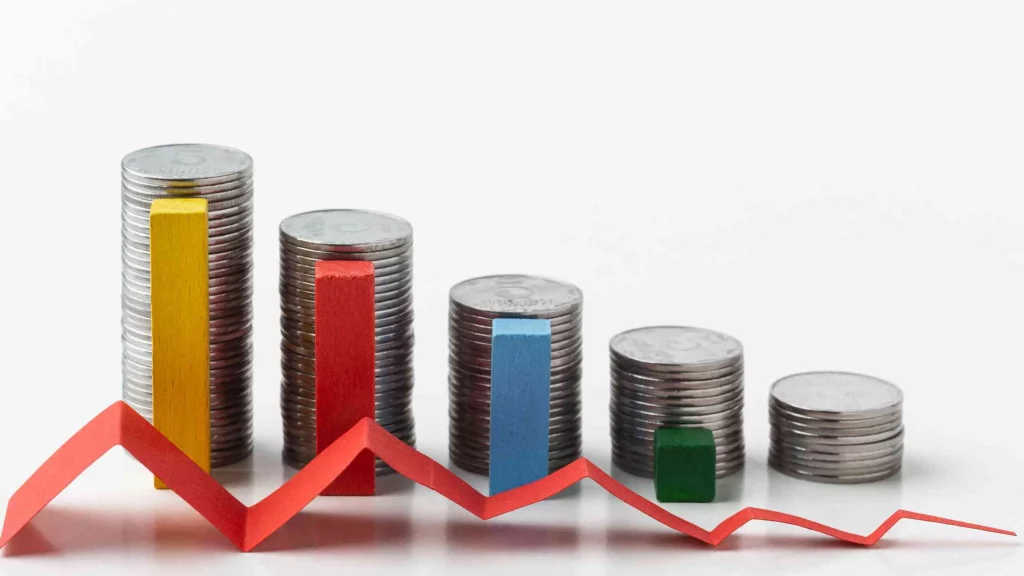
The debt-to-equity ratio is more than a financial metric on a balance sheet. In the UAE, it often acts as an early warning signal for lenders, suppliers, investors, and creditors assessing a company’s financial stability and payment reliability.
For business owners, a rising debt-to-equity ratio raises practical questions:
- Will banks tighten credit terms?
- Will suppliers reduce payment periods?
- Does this level of leverage increase exposure to recovery action or legal escalation?
This guide explains the debt-to-equity ratio in plain business language, links it to real creditor behavior in Dubai and across the UAE, and shows how the ratio influences negotiation, restructuring, and debt recovery outcomes.
What Is the Debt-to-Equity Ratio?
The debt-to-equity ratio (D/E ratio) measures how much debt a business uses to finance its operations compared to shareholders’ equity. It shows the balance between borrowed funds and owner-funded capital.
At its core, the ratio answers one question:
How dependent is the business on external debt to operate and grow?
A higher ratio means creditors carry more financial risk. A lower ratio shows stronger capital backing from owners or shareholders.
What Does the Debt-to-Equity Ratio Measure?
The ratio highlights:
- Financial leverage
- Exposure to repayment pressure
- Sensitivity to cash-flow disruption
- Creditor risk perception
In commercial practice, lenders and trade creditors use this ratio to assess how resilient a business may be during delayed payments, revenue dips, or market stress.
Why Businesses Track the Debt-to-Equity Ratio
Businesses track this ratio to:
- Monitor borrowing capacity
- Support loan or overdraft applications
- Reassure suppliers extending trade credit
- Identify early financial strain
- Avoid crossing thresholds that trigger creditor concern
In the UAE, this ratio often feeds into broader assessments such as the debt burden ratio in the UAE, which reflects repayment capacity and default exposure.
Debt-to-Equity Ratio Formula Explained
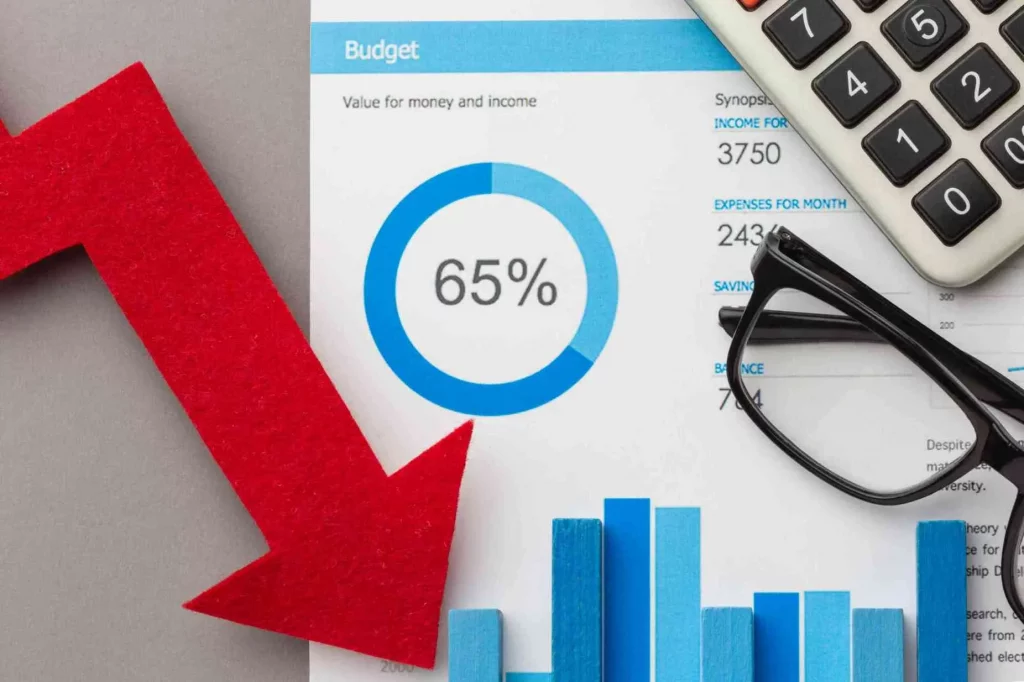
What Is the Formula for Debt to Equity?
The standard formula is:
Debt-to-Equity Ratio = Total Liabilities ÷ Shareholders’ Equity
This calculation compares what the business owes to what it owns outright.
What Debt Is Included in the Calculation?
Total liabilities usually include:
- Bank loans and overdrafts
- Trade payables
- Lease obligations
- Credit facilities
- Short-term and long-term borrowings
Equity includes:
- Paid-up share capital
- Retained earnings
- Shareholder reserves
| Component | Included in Calculation |
|---|---|
| Bank loans | Yes |
| Trade creditors | Yes |
| Share capital | Yes |
| Retained earnings | Yes |
| Accrued expenses | Yes |
The accuracy of the ratio depends on updated and realistic balance sheet figures, not projected numbers.
How to Calculate a Debt-to-Equity Ratio (Step-by-Step)
Debt-to-Equity Ratio Calculator
Enter values from your balance sheet. Outputs include the D/E ratio and a quick interpretation.
Disclaimer: This calculator gives a numerical estimate based on your inputs. It is not financial or legal advice. If you are managing unpaid invoices, review options under UAE debt collection laws and consider early action through strategic debt recovery through negotiation.
Simple Calculation Example
Assume a UAE trading company shows:
- Total liabilities: AED 2,000,000
- Shareholders’ equity: AED 1,000,000
Debt-to-Equity Ratio = 2,000,000 ÷ 1,000,000 = 2.0
This means the company uses AED 2 of debt for every AED 1 of equity.
Common Calculation Mistakes
Businesses often miscalculate the ratio by:
- Excluding trade creditors
- Using outdated equity figures
- Ignoring accumulated losses
- Mixing management accounts with audited statements
Such errors can create a misleading picture when negotiating with banks or responding to creditor concerns.
How to Interpret a Debt-to-Equity Ratio

Interpreting the debt-to-equity ratio requires context. The same ratio can signal stability in one business and financial strain in another. In the UAE, banks, suppliers, and creditors read this figure through a risk lens rather than an academic one.
What Is a Good Debt-to-Equity Ratio?
A commonly accepted range for many businesses sits between:
- 0.5 to 1.5 → Balanced use of debt
- Below 1.0 → Equity-funded, lower creditor risk
- Above 2.0 → High reliance on borrowing
For UAE SMEs, lenders often become cautious once the ratio moves beyond 1.5, especially when cash flow shows pressure or payment delays appear.
What Is a Bad Debt-to-Equity Ratio?
A ratio becomes concerning when:
- Debt rises faster than revenue
- Equity shrinks due to accumulated losses
- Creditors face delayed payments
- Banks start requesting additional guarantees
Ratios above 2.0 often trigger:
- Tighter credit terms
- Reduced supplier limits
- Increased scrutiny from banks
- Early recovery discussions
At this stage, businesses may benefit from strategic debt recovery through negotiation, before disputes escalate.
Need Help Recovering Outstanding Debts?
Quick Action provides professional debt recovery services in the UAE, helping businesses recover overdue invoices, resolve payment disputes, and improve cash flow through structured recovery solutions.
Explore Debt Recovery ServicesWhat Does a 1.5 Debt-to-Equity Ratio Mean?
A 1.5 ratio shows the business carries AED 1.50 in liabilities for every AED 1 in equity. This level often signals:
- Controlled leverage
- Acceptable borrowing risk
- Dependence on stable cash inflows
Banks may still lend at this level, though conditions tighten. Creditors watch payment behavior closely.
What Does a 70/30 Debt-to-Equity Ratio Mean?
A 70/30 structure means:
- 70% of funding comes from debt
- 30% from equity
This structure places repayment pressure on cash flow. In the UAE market, suppliers and lenders often classify such businesses as credit-sensitive, especially when trade cycles are long.
Is a 40% Debt-to-Equity Ratio Good?
A 40% ratio usually reflects conservative borrowing. Many lenders view this level favorably because:
- Equity buffers losses
- Debt obligations remain manageable
- Payment risk stays lower
For businesses seeking expansion financing, this ratio strengthens negotiation position and reduces exposure to recovery action.
What Does a Negative Debt-to-Equity Ratio Imply?
Can a Debt-to-Equity Ratio Be Negative?
Yes. A negative debt-to-equity ratio appears when:
- Liabilities exceed assets
- Shareholders’ equity turns negative
- Accumulated losses erode capital
This signals financial distress rather than leverage.
What Negative Equity Signals to Creditors
In UAE commercial practice, negative equity often leads to:
- Credit withdrawal
- Accelerated payment demands
- Supplier cash-on-delivery terms
- Legal risk assessment by creditors
At this point, early engagement through debt management solutions helps limit escalation and protect business continuity.
Take Control of Your Business Debts Today
Quick Action helps businesses in the UAE manage outstanding debts through structured planning, negotiation support, and tailored repayment strategies that improve financial stability.
Explore Debt Management ServicesDebt Ratio vs Debt-to-Equity Ratio
| Ratio | What It Measures |
|---|---|
| Debt Ratio | Total debt as a share of total assets |
| Debt-to-Equity Ratio | Debt compared to shareholder equity |
The debt ratio focuses on asset coverage, while the D/E ratio highlights funding structure and creditor exposure.
Which Ratio Do Lenders Focus On?
UAE banks and trade creditors give more weight to:
- Debt-to-equity ratio
- Payment behavior
- Cash-flow reliability
These factors shape decisions on lending, restructuring, and recovery action.
Is the Debt-to-Equity Ratio Used by Banks and Creditors in the UAE?
In the UAE, the debt-to-equity ratio plays a direct role in how banks, suppliers, and creditors assess financial risk. It rarely stands alone. It is reviewed alongside cash flow, payment behavior, and existing liabilities.
How Banks Assess Leverage Risk
UAE banks review the debt-to-equity ratio when:
- Reviewing loan or overdraft applications
- Renewing credit facilities
- Assessing restructuring requests
- Monitoring covenant compliance
A rising ratio signals higher exposure for lenders. Once thresholds are crossed, banks may:
- Reduce available credit
- Request additional security
- Tighten repayment schedules
- Decline further borrowing
Banks often cross-check this ratio with metrics such as the debt burden ratio to assess repayment pressure.
How Suppliers and Creditors Use the Ratio Before Recovery
Trade creditors and service providers use the ratio to:
- Decide payment terms
- Adjust credit limits
- Flag accounts for closer monitoring
When ratios worsen and payments slow, creditors begin preparing for recovery. Many first pursue strategic debt recovery through negotiation, aiming to secure payment without damaging commercial relationships.
For recurring delays, businesses often face escalation toward professional debt collection services, especially where exposure grows across multiple invoices.
How High Debt-to-Equity Ratios Lead to Debt Recovery Action
A high ratio does not trigger recovery on its own. It becomes critical when combined with payment stress.
Early Warning Signs Creditors Watch
Creditors monitor:
- Rising liabilities without revenue growth
- Declining equity from losses
- Repeated payment extensions
- Requests for rescheduling
- Overreliance on short-term borrowing
These signals prompt creditors to reassess risk and prepare recovery options under UAE debt collection laws.
When Negotiation Becomes Critical
Negotiation becomes the safest path when:
- Cash flow tightens
- Banks restrict facilities
- Suppliers reduce credit
- Legal exposure increases
Early negotiation protects business reputation and limits enforcement risk. Businesses that delay often face faster escalation toward legal recovery under UAE commercial procedures.
What Businesses Should Do When Their Debt-to-Equity Ratio Is High
A high ratio calls for structured action, not panic.
Risk Management Steps
Businesses should:
- Review liabilities and repayment schedules
- Prioritize critical creditors
- Stabilize cash inflows
- Reduce discretionary borrowing
- Prepare realistic payment plans
Monitoring related indicators such as the debt burden ratio helps identify pressure points early.
Negotiation vs Litigation Paths
| Approach | Purpose |
|---|---|
| Negotiation | Preserve relationships and manage exposure |
| Restructuring | Realign debt with cash flow |
| Litigation | Enforce claims when cooperation fails |
Most UAE businesses benefit from negotiation-led recovery before disputes reach court.
Quick Action supports this approach through debt recovery services in Dubai, aligning financial assessment with legal strategy.
Frequently Asked Questions - Debt-to-Equity Ratio
What is the debt-to-equity ratio?
The debt-to-equity ratio compares a company’s total liabilities to shareholders’ equity. It shows how much of the business is funded by borrowing versus owner or shareholder capital.
What is the debt-to-equity ratio formula?
The formula is total liabilities divided by total shareholders’ equity, using balance sheet figures.
How do I calculate a debt-to-equity ratio?
Add all short-term and long-term liabilities, then divide that total by shareholders’ equity. The result shows debt used for each unit of equity.
What debt is included in a debt-to-equity ratio?
Included items usually cover bank loans, overdrafts, trade payables, leases, credit facilities, and other recorded liabilities.
What is a good debt-to-equity ratio?
Many businesses operate within 0.5 to 1.5. Acceptable levels depend on industry norms, cash flow strength, and growth stage.
What is a bad debt-to-equity ratio?
Ratios above 2.0 often indicate higher financial pressure, especially where revenue is inconsistent or equity is declining.
Is a 40% debt-to-equity ratio good?
A 40% ratio often reflects conservative borrowing with strong equity support, which lenders and suppliers tend to view favorably.
What does a 1.5 debt-to-equity ratio mean?
A ratio of 1.5 means the company carries 1.5 units of liabilities for every unit of equity, indicating moderate leverage.
What does a debt equity ratio of 70/30 mean?
A 70/30 structure shows 70% of funding from debt and 30% from equity, increasing repayment pressure on operating cash flow.
Can a debt-to-equity ratio be negative?
Yes. A negative ratio appears when liabilities exceed assets and shareholders’ equity becomes negative.
What does a negative debt-to-equity ratio imply?
Negative equity signals financial distress and raises concern for banks, suppliers, and creditors assessing repayment risk.
Is zero debt-to-equity ratio good?
A zero ratio means no debt exposure. This lowers financial risk yet may limit expansion where borrowing supports growth.
Is a higher or lower debt ratio better?
Lower ratios reduce creditor exposure. Moderate leverage can support growth when income remains stable.
What is the difference between debt ratio and debt-to-equity ratio?
The debt ratio compares liabilities to total assets, while the debt-to-equity ratio compares liabilities directly to shareholder equity.
What is the long-term debt-to-equity ratio?
This version compares long-term liabilities only against equity, highlighting longer-term financial commitments.
Is the debt-to-equity ratio widely used by banks?
Yes. Banks use it alongside cash flow review, repayment history, and other financial indicators when assessing credit risk.
What industries have high debt-to-equity ratios?
Construction, manufacturing, logistics, and infrastructure sectors often operate with higher ratios due to asset-heavy financing.
Why do businesses calculate debt-to-equity ratios?
Businesses track the ratio to manage borrowing limits, reassure creditors, monitor leverage, and detect early financial strain.
How can the debt-to-equity ratio be used to measure business risk?
Higher ratios increase repayment pressure and signal greater default exposure during revenue disruption.
How does the debt-to-equity ratio affect debt recovery decisions?
High ratios combined with payment delays often lead creditors to tighten terms, pursue negotiation, or prepare recovery action under UAE commercial practice.