
The debt collection process is the series of structured steps taken to recover overdue payments or unpaid debts, beginning with internal reminders from the original creditor and progressing through more formal stages such as third-party collection efforts and, if necessary, legal action. It is designed to ensure that outstanding balances are handled in a systematic and professional way, allowing businesses to recover funds while maintaining compliance with applicable laws and preserving, when possible, positive relationships with clients.
How The Debt Collection Process Works Step By Step
The debt collection process works by moving from simple payment reminders to structured negotiation, then to legal escalation if the debtor still refuses to pay. In the UAE, the exact route can depend on the type of debt, the documents available, the debtor’s location, and whether the case involves a mainland company, free zone entity, bank debt, or bounced cheque, which explains what are debt collectors in real practice.
Review The Debt And Supporting Documents
Before contacting the debtor, the creditor reviews the unpaid amount and ensures all supporting documents are available and valid.
- Invoice confirming the amount due
- Contract showing agreed terms
- Purchase order as transaction proof
- Delivery note confirming completion
- Email approvals or confirmations
- Statement of account for balances
- Payment history records
- Cheque copy (if available)
- Debtor trade licence or contact details
Send Friendly Payment Reminders
The process usually starts with polite reminders by email, phone, WhatsApp, or formal letter. The goal is to understand why the payment is delayed and give the debtor a chance to settle without pressure.
Contact The Debtor Directly
If reminders are ignored, the creditor or debt collection agency contacts the debtor more directly. This step helps confirm whether the debtor accepts the debt, disputes the amount, or needs more time to pay.
The collector may ask for immediate settlement or request a clear payment commitment.
Negotiate A Settlement Or Payment Plan
Many debt cases are resolved through negotiation before legal action is needed. The debtor may agree to pay the full amount, settle for a reduced amount, or follow an instalment plan.
Any agreement should be written clearly and include the total amount, payment dates, payment method, and what happens if the debtor misses a payment.
Send A Formal Demand Or Legal Notice
If the debtor still does not pay, the next step is usually a formal demand letter or legal notice. This gives the debtor a final deadline to pay before the matter is escalated.
A legal notice typically includes the creditor’s details, debtor’s details, amount owed, reason for the debt, supporting references, and a warning that legal action may follow.
Escalate To Legal Action If Needed
If the debtor ignores the legal notice or refuses to settle, the creditor may consider legal action through the competent court or relevant dispute forum.
In the UAE, this may involve a civil claim, commercial claim, payment order, cheque-related enforcement route, or another procedure depending on the documents and jurisdiction.
Obtain A Judgment Or Settlement Order
Once the case is reviewed by the court, a judgment may be issued confirming the debtor’s legal obligation to pay the outstanding amount. In some situations, both parties may also agree to settle the matter before a final judgment is made, resulting in a court-approved settlement that defines the repayment terms.
Enforce The Judgment
When payment is not made after a court decision, the creditor is entitled to request enforcement measures through UAE courts to ensure recovery of the debt within the legal framework.
Close The Case And Update Records
Once payment is received, the creditor should close the file, update accounting records, issue receipts where needed, and keep all settlement documents for future reference.
For businesses, reviewing why the debt occurred can also help improve credit control, payment terms, and future contract protections
Unpaid invoices don’t have to slow your business down, Quick Action Debt Collection agency delivers fast effective and compliant recovery solutions that help you secure outstanding payments and restore your cash flow with confidence.
What Documents Are Needed For Debt Collection In The UAE?
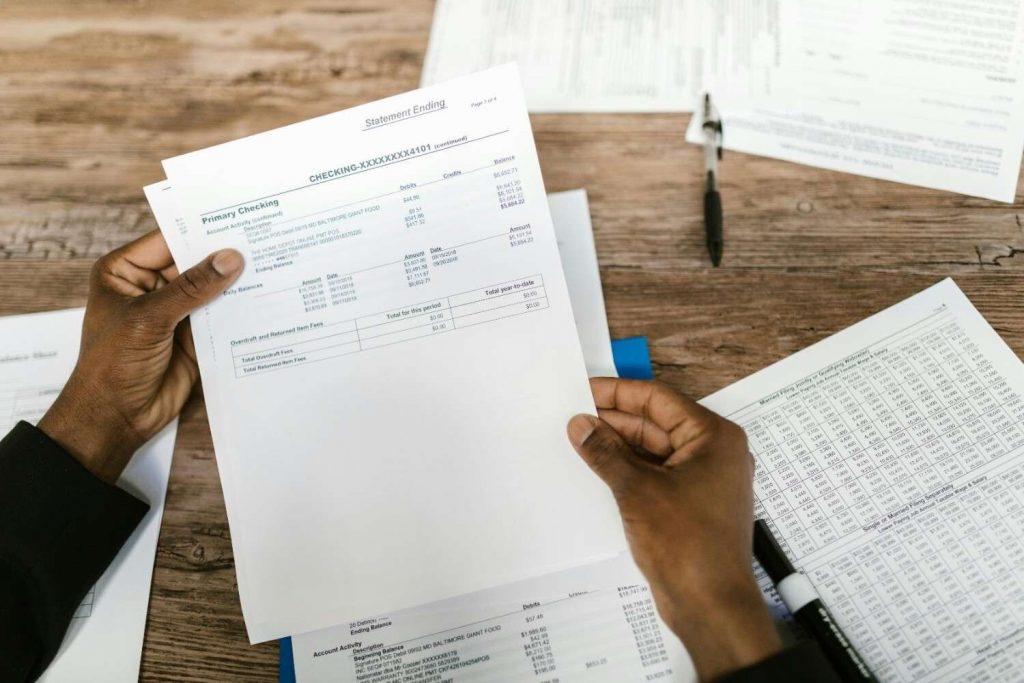
The documents required for debt management in the UAE depend on the nature of the debt, whether it is a business-related or individual obligation, but in all cases the main requirement is clear evidence that the debt exists, is legally due, and has not been paid despite previous requests or reminders. Strong and well-organized documentation significantly increases the chances of successful recovery, whether through negotiation, formal notice, or legal action.
For Business Debts
In commercial debt collection cases, the following documents are commonly required to support the claim and prove the validity of the transaction:
- Signed agreement or contract confirming the business relationship
- Purchase order or quotation issued between both parties
- Tax invoice showing the amount owed
- Delivery note or proof of goods/services delivered
- Evidence of completed work or service execution
- Statement of account detailing outstanding balances
- Email or WhatsApp communication confirming the debt
- Payment reminders sent to the debtor
- Copies of bounced cheques (if applicable)
- Bank transfer records showing partial or failed payments
- Debtor’s valid trade license information
- Any written acknowledgment of debt from the debtor
For Individual Debts
For personal or consumer-related debts, the documentation may be simpler but still essential to establish the obligation clearly:
- Loan agreements or credit contracts
- Rental or tenancy agreements
- Account statements from financial institutions
- Agreed payment schedules or installment plans
- Written acknowledgments or confirmations of debt
Importance of Proper Documentation
- Strong documentation makes debt verification faster and more reliable
- It improves negotiation outcomes and settlement discussions
- It supports legal procedures if the case escalates to court
- It reduces disputes and strengthens the creditor’s position
Learn More: Types Of Debt Collection Services
What Laws And Authorities Affect Debt Collection In The UAE?
Debt collection in the UAE is regulated through a combination of federal laws and specialized financial authorities that ensure all recovery activities are conducted in a lawful, structured, and fair manner, especially when dealing with banks, commercial transactions, and court enforcement procedures. Understanding these legal frameworks is essential for businesses and debt collection agencies to ensure compliance and avoid legal risks during the recovery process.
Central Bank Of The UAE
The Central Bank of the UAE plays a key role in regulating licensed banks and financial institutions, particularly in cases involving loans, credit cards, and other financial products. Its Consumer Protection Regulation and Consumer Protection Standards are especially important when debt collection relates to regulated financial services such as banking and lending.
However, it is important to note that the Central Bank does not handle all types of debt disputes. For example, unpaid invoices between private companies are generally treated as commercial or civil matters, rather than banking complaints, and are usually handled through legal or commercial channels instead.
UAE Civil Procedure Code
The UAE Civil Procedure Code (Federal Decree-Law No. 42 of 2022) governs the legal process for filing civil claims, obtaining judgments, and enforcing court decisions in mainland UAE courts.
In the context of debt collection, this law becomes highly relevant when:
- A creditor files a formal lawsuit to recover unpaid debts
- A court issues a payment order against a debtor
- Enforcement actions are required after a judgment is issued
This legal framework ensures that debt recovery cases are handled in an organized judicial process with clear procedures and enforcement mechanisms.
UAE Commercial Transactions Law
The UAE Commercial Transactions Law (Federal Decree-Law No. 50 of 2022) regulates commercial obligations, trade relationships, and financial instruments such as cheques and business contracts.
This law is particularly important in debt recovery cases involving:
- Business-to-business transactions
- Unpaid commercial invoices
- Bounced cheques and payment disputes
DIFC And ADGM Courts
The UAE also includes specialized financial free zones such as DIFC (Dubai International Financial Centre) and ADGM (Abu Dhabi Global Market), which operate independent court systems based on common-law principles.
- DIFC Courts include a Small Claims Tribunal (SCT) that can hear certain disputes within its jurisdiction.
- The SCT can handle claims up to AED 500,000, and in some cases up to AED 1 million if parties agree in writing.
- ADGM Courts follow a similar structured legal framework for resolving financial and commercial disputes.
Read More: overview of debt collection in uae
FAQs About The Debt Collection Process In The UAE
What Does A Debt Collection Do?
Debt collection helps recover unpaid money from a debtor. A collection agency may contact the debtor, confirm the amount owed, negotiate settlement, and support escalation if payment is not made..
What Is An Example Of A Debt Collection?
An example is a Dubai company recovering an unpaid invoice from a client that received services but failed to pay. The company may send reminders, appoint a collection agency, issue a legal notice, and file a civil claim if negotiation fails.
Can A Debt Collector Take Legal Action In The UAE?
A debt collector itself does not issue a court judgment, but a creditor may escalate the matter through legal representatives and the competent court. If the creditor obtains a judgment, enforcement may follow through the court process.
Is Debt Collection Legal In The UAE?
Yes, debt collection is legal in the UAE when carried out through lawful and documented methods. The process must avoid harassment, false claims, or unlawful threats, and regulated financial institutions must consider applicable CBUAE consumer protection rules.
Can A Bounced Cheque Still Be Used For Debt Recovery?
A bounced cheque may still be relevant for recovery, but the legal treatment of bounced cheques changed under Federal Decree-Law No. 50 of 2022 on Commercial Transactions. Creditors should review the cheque, bank return memo, and current procedure before deciding whether direct execution or another civil route is available.
.